
Collateral
The Road to Convenience is Paved in Plastic

Raise your hand if you remember the Tylenol murders, Chicago, 1982. Anyone?
Seven people died in September of that year from cyanide poison in their Tylenol capsules. Some sick human took the time and trouble to open seven bottles of Tylenol in stores scattered randomly around the Chicago area, slide open some capsules and replace the medication with cyanide powder. It’s an instant killer with few antidotes that causes near immediate cardiac arrest and/or brain hemorrhage.
The management of the aftermath of the Tylenol murders by Johnson & Johnson and the US government became a model for both social and corporate damage control in the wake of such random acts. Tylenol’s parent company and the US government went into hyper drive to communicate the dangers of taking Tylenol, get existing batches off the shelves and assure there would be no more deaths. And there were no more deaths. Volunteers and hired staff of both entities went door to door in certain areas with the news that Tylenol was not safe at the moment. Johnson & Johnson made a remarkable recovery from the tragedy, eventually prospering on their skilled handling of the situation.
Even if you don’t remember this incident, or you weren’t even born, you live with its consequences daily.
I was thinking about this tragedy recently as I employed scissors, a knife my fingernails and ultimately my teeth to remove the shrink-wrapped multi-layer plastic shield from a simple bottle of organic(!) rose hips oil.
You have Johnson & Johnson, the FDA and the petroleum industry to thank every time you struggle to rip the plastic ring off a peanut butter jar or fight with all you have to pry open the child protective cap on your bottle of aspirin, Pepto-Bismol or any other over-the-counter medication. No matter how sick you are, these agencies want to be sure you don’t rush into easing your pain. Or have you noticed how some OTC meds are so in demand by junkies (?) that they are now kept in locked cases that can only be opened by the 12-year-old non-diverse Target employee with a key hanging on a gold chain around his neck?
That Tylenol murderer – who, by the way, was never caught – not only initiated a windfall to petroleum companies, but he also single-handedly ended a period of Americans’ retail innocence. In fact, he (or she?) launched multiple industries driven by fear and mistrust among us.
The attitude of those corporate and government moguls is “Who cares about the millions of hand wounds inflicted by knives, screwdrivers or hammers applied in desperate acts of frustration at opening a simple jar of honey?” Oh, the irony!
Americans were in the infancy of our love affair with plastic in 1982, but the Tylenol murderer helped to push that passion into overdrive. If a product can be shrink wrapped, hermetically sealed in Russian doll style layers of box-plastic clamshell-crinkle pouch, or tied together with plastic rings...it was...it is! As if we weren’t challenged enough by the task of opening a bag of nuts, THEY had to invent Ziploc bags. That way, if we did actually get the bag to open (with the help of a burly neighbor) we could close it again – oh sure – to LOCK in freshness. That assumes we haven’t already ripped the bag with nail clippers or scissors obliterating any purported ‘re-seal’ capacity. If not, we have to invite the burly neighbor back to open it once that bag is re-sealed in an impenetrable vacuum.
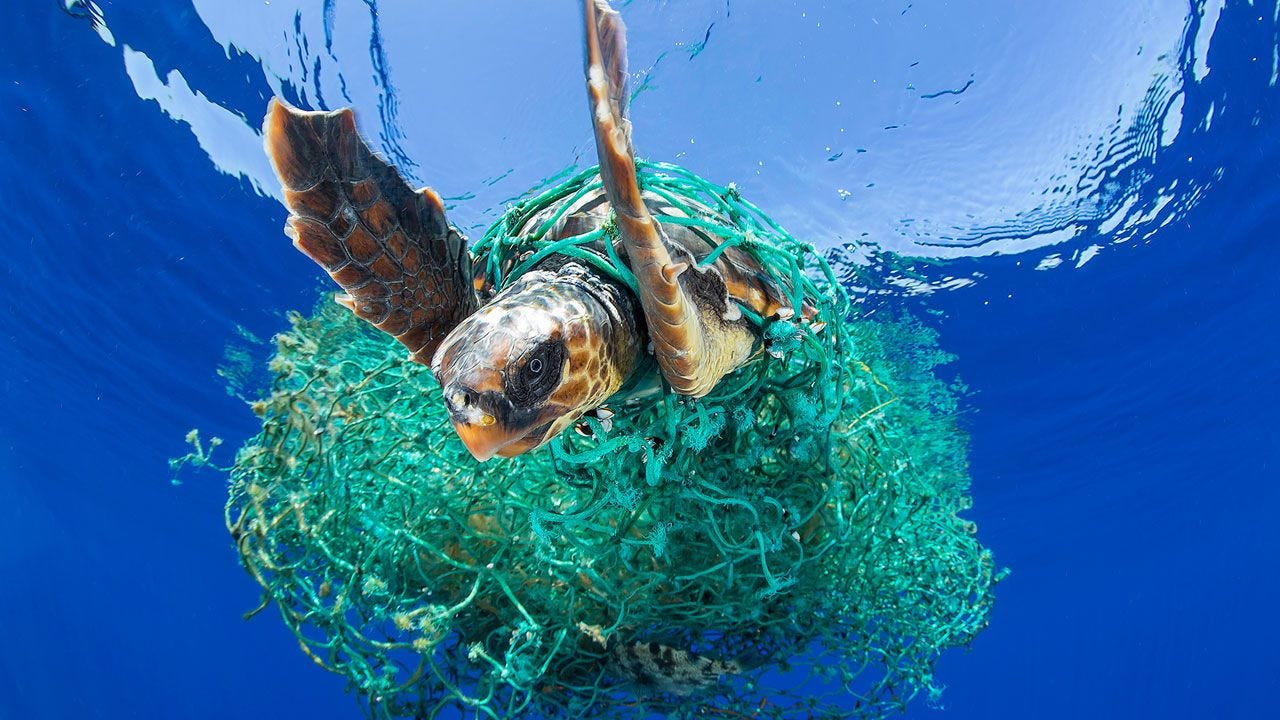
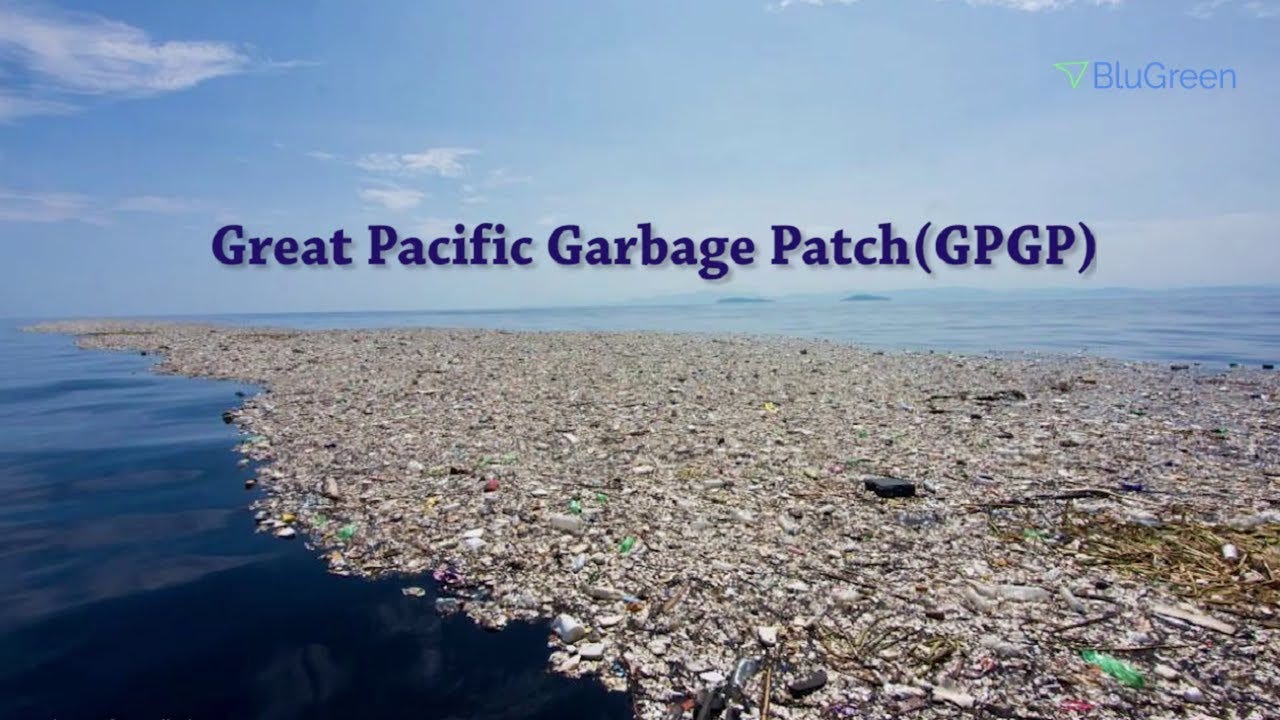
Despite all that, plastic has become the ubiquitous and darling solution for decades of American consumers. Plastic innovations became arm candy by the side of convenient consumption...until we started seeing plastic rings around the necks of sea turtles, plastic bags suffocating dolphins and a growing island of plastic the size of Rhode Island in the Pacific.
Oops! We said. Too bad, but it’s not hurting me. No? Then we learned there are plastic particles in human organs, our blood, even mother’s milk. But did that stop us? Not at all. In order to cover for the shortfall on gasoline sales from the ‘anticipated’ proliferation of electric cars, big oil companies have put the pedal to the metal on ‘innovative’ design to invent more needs to use more plastic. They even have the chutzpa to write that into their public strategic plans, thumbing their noses at the Planet and us puny consumers, the pawns that feed their greed.
Like those hapless Tylenol victims in 1982, we are all blithely ignorant of the random poisoning that lies waiting in our consumption paths. And, while the Tylenol murders are labeled crimes and still under investigation, oil company moves to grow more plastics and slip them into our bodies are called innovations.
But things are always changing. Right? “Progress” has its price. Right?
In the meantime, I’m challenging myself to change my ways and get through a day without using plastic. It’s barely possible -- give it a try.
I share your frustration ocmpletely. Wonderful history of tampering and its consequences when their are millions of other tamperings possible in the immense supply chain. You accurately described the routine we go through every day to break into a product. If we lived in isolation with a small number of people that we could trust ( as many did in the past) we wouldn't need to worry so much about a deranged individual in our midst.
And add to that the ongoing assault of plastic everywhere and the bastards profiting from it. Considering all the further absurdities that we put up with, I'm reminded that Monti Phthon was more that a comedy show. It was an accurate harbinger of the future. Even with your piece here, we have to laugh while we are shuddering.